Dealing With Party Season When Your Child Has Food Allergies
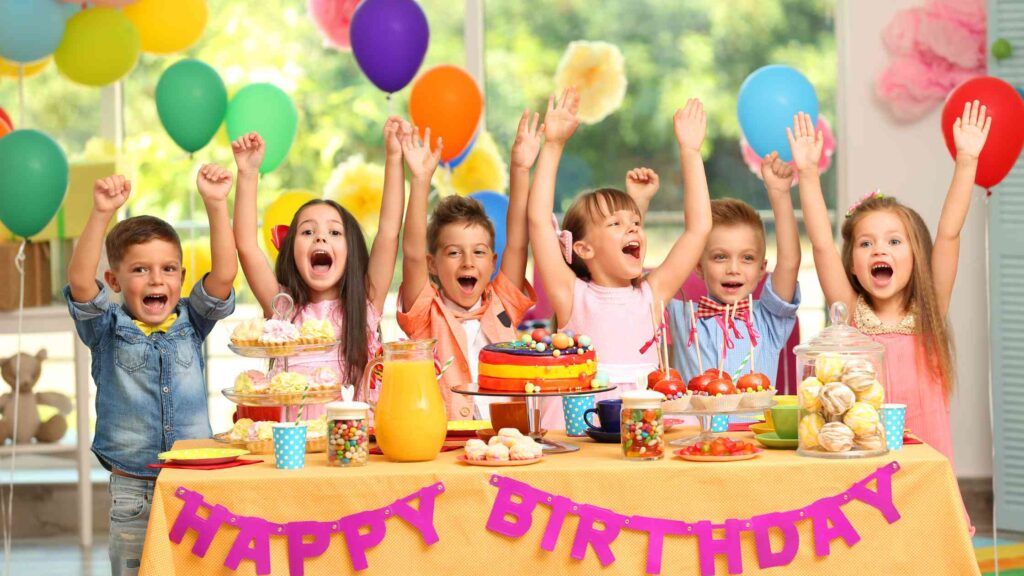
Party season can be joyful but when your child has food allergies, it can also feel quietly overwhelming.
Birthday parties.
Christmas celebrations.
School events.
Family gatherings.
So many of these moments revolve around shared food, and for families managing food allergies, that brings extra layers of planning, anxiety, and sometimes isolation.
In this blog, I want to talk honestly about party season and food allergies — and how we can make celebrations safer, calmer, and more inclusive for children who live with allergy every day.
 Watch or Listen First
If you prefer to watch or listen, you can start here:
You can also keep reading below for a clear written breakdown
https://www.youtube.com/watch?v=De3QcFmKudA
Watch or Listen First
If you prefer to listen, you can start here:
 Listen to the podcast here below:
You can also keep reading below for a clear written breakdown
Why Party Season Feels Harder With Food Allergies
Most parties revolve around food.
Cakes, lollies, shared platters, buffet tables, Christmas treats — all of which can pose real risks for children with food allergies, particularly allergies to peanut, egg, or milk.
Parents often find themselves:
-
Scanning every food option
-
Watching hands, surfaces, and shared utensils
-
Deciding whether it’s safer to stay close or step back
-
Worrying about being seen as “overprotective”
It’s not about fear — it’s about responsibility.
Food Allergies and Parties: The Real Safety Concerns
Birthday and Christmas parties increase risk because:
-
Foods are often unlabelled
-
Cross-contact is common
-
Children share food impulsively
-
Excitement can override caution
This doesn’t mean children with food allergies should miss out.
It means parties need awareness, communication, and preparation.
 PAUSE HERE, Get This Free Safety Tools
Before we go further, if you’re in the stage of introducing allergenic foods, these two free resources will support you immediately:
🎁 Free: Quick-Reference Allergy Kit for Babies & Children
This simple guide helps you:
-
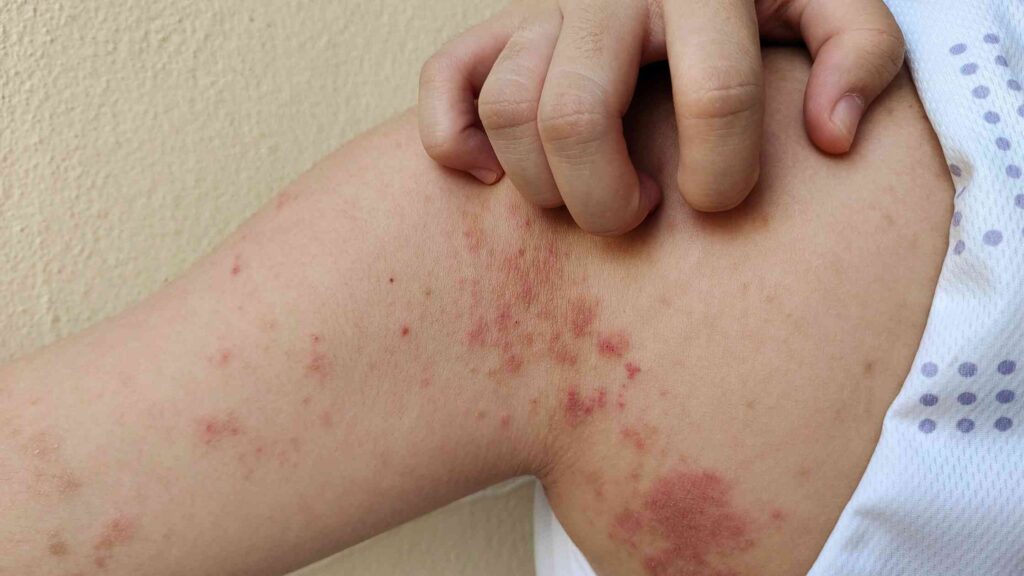
Recognise mild vs serious allergic reactions
-
Know when to monitor and when to seek help
-
Feel calmer if something doesn’t feel right
Inclusion Should Always Come First
One thing I want to be very clear about:
Children with food allergies should never be excluded from parties.
Inclusion does not mean everything has to be allergy-free.
It means making space for safety.
Inclusive parties allow:
-
Parents to provide safe food
-
Children to eat something different without pressure
-
Allergies to be taken seriously — without fuss
When handled well, children feel included even if their food looks different.
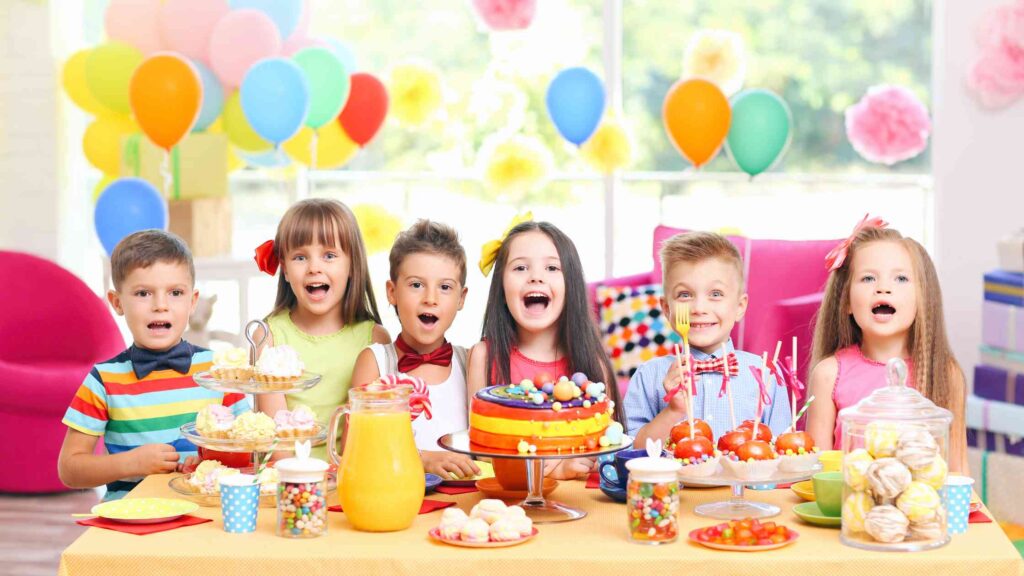
Hosting Allergy-Safe Birthday Parties (Without Stress)
If you’re hosting a party and want to be inclusive, these simple steps help enormously:
-
Ask upfront if any children have food allergies
-
Share what food will be served
-
Be comfortable with parents bringing safe alternatives
-
Avoid encouraging children to “just try a bit”
You don’t need to be an allergy expert.
You just need to be open and communicative.
Attending Parties With an Allergic Child
For parents attending parties with a child who has food allergies, preparation is key.
Helpful strategies include:
-
Sending safe food your child enjoys
-
Talking to the host ahead of time
-
Staying nearby during food time if needed
-
Helping your child practise polite food refusal
This isn’t about hovering — it’s about creating a safety net so your child can relax and enjoy themselves.
EpiPens at Parties: Prepared, Not Panicked
For families managing anaphylaxis, parties often bring extra worry.
Being prepared means:
-
Your child’s EpiPen is always accessible
-
An adult knows where it is
-
Someone understands the signs of a severe reaction
-
Emergency services can be called quickly if needed
This level of anaphylaxis preparedness is about confidence — not fear.
Communicating With Other Parents (Without Feeling Awkward)
Many parents worry about being “that parent”.
But clear, calm communication usually brings relief — not tension.
Helpful phrases include:
-
“My child has a food allergy — I’ll bring safe food.”
-
“They’re used to eating something different.”
-
“I’ll stay close during food time to help manage safety.”
Most parents want children to feel safe — they just don’t always know what helps.
The Emotional Side We Don’t Talk About Enough
Children notice more than we realise.
When parties feel stressful or excluding, children can internalise the idea that:
Their needs are inconvenient
They don’t quite belong
When parties are handled with care and inclusion, children learn:
-
Their needs matter
-
Safety doesn’t mean missing out
-
They belong
This emotional safety is just as important as physical safety.
Party season doesn’t have to feel isolating for families managing food allergies.
With preparation, communication, and inclusion, children with food allergies can:
-
Attend parties safely
-
Feel confident and included
-
Enjoy celebrations alongside their peers
Because every child deserves to feel welcome — with or without cake 
Want Ongoing Support While You Feed Your Baby?
If you don’t want to navigate this alone, these memberships give you nurse-led support, education, and reassurance every month.
 The Nest Food Allergy Membership
For families managing diagnosed or suspected allergies:
-
Nurse-led education
-
Real-life guidance
-
Ongoing support when questions pop up
Join here:
https://thenestcpr.systeme.io/the-nest-allergy-membership