4 Exact Steps to Introduce Allergy Foods Like Nuts, Egg or Wheat to Your Baby (Safely & Calmly)

 Watch or Listen First
If you prefer to watch or listen, you can start here:
You can also keep reading below for a clear written breakdown
Watch or Listen First
If you prefer to listen, you can start here:
 Listen to the podcast here below:
You can also keep reading below for a clear written breakdown
 Make Sure Your Baby Is Ready (Not Just Old Enough)
Before you introduce any allergy food, the most important thing isn’t age — it’s whether your baby is developmentally ready for solids.
A ready baby typically:
Sits with good head and neck control
Shows interest in food
Opens mouth when offered food
Once your baby is truly ready, early introduction of allergenic foods like nuts, egg or wheat is actually associated with lower rates of food allergy development later on.
 Start Small and Follow a Step-by-Step Process
Here’s where most parents want specifics, and that’s exactly what you’ll find here.
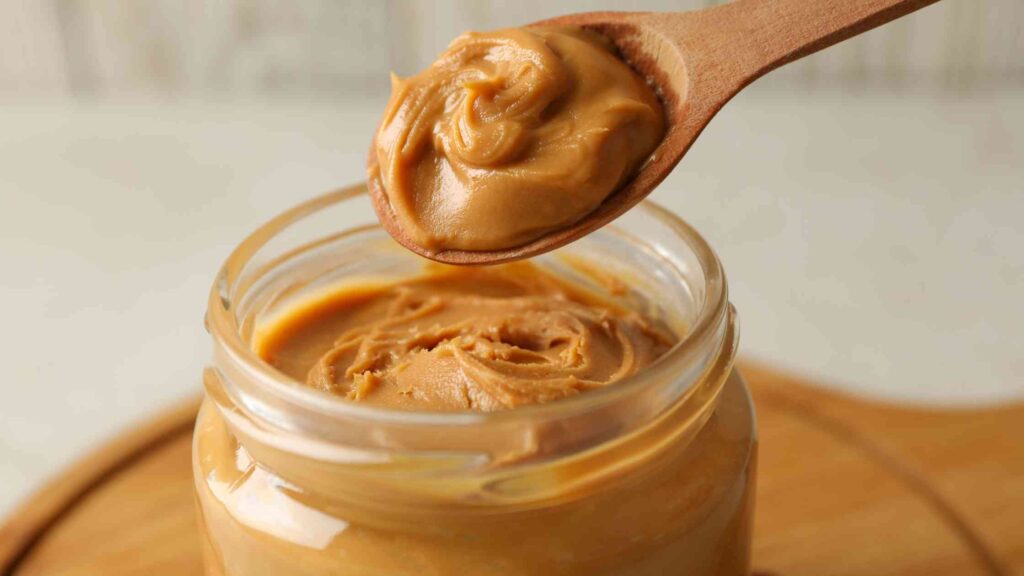
Let’s use a smooth almond, brazil & cashew spread as an example — a practical starting point for nut introduction:
Start with ⅛ teaspoon
Wait 20 minutes and watch for any signs
If no reaction → double the amount to ¼ teaspoon
Wait another 20 minutes
If still well → increase to ½ teaspoon
Stop there for the day
Optional: work up to 1 teaspoon
Continue to observe for about 2 hours
This step-wise approach gives your baby’s immune system a gentle first exposure — and you time to notice how they respond.
Most reactions happen within this window, so this method helps you observe confidently and calmly.
 PAUSE HERE, Get These Free Safety Tools
Before we go further, if you’re in the stage of introducing allergenic foods, these two free resources will support you immediately:
 Free Resource 1: The Nest Weaning Blueprint
A simple, nurse-led guide including:
Allergy tracker
Top 9 allergenic foods
Choking first aid basics
Free Resource 2: Quick Reference Allergy Kit
Perfect for saving on your phone:
What allergy signs look like in an older child
What allergy signs look like in a baby & toddler
A list of questions for your GP or allergist
Now let’s talk about when a reaction becomes serious.
 What to Look For (And What to Do If Something Happens)
Reactions can look different depending on your baby — and the food you’re introducing. For example:
Cashews — more likely to cause a reaction (nut allergies are on the rise)
Almonds — among the least likely tree nuts to trigger allergies
Brazil nuts — also less common
If your baby seems to react, simply stop and start again later with the food that’s most likely the trigger (like cashew first).
Signs that might show a mild reaction
Redness around the mouth
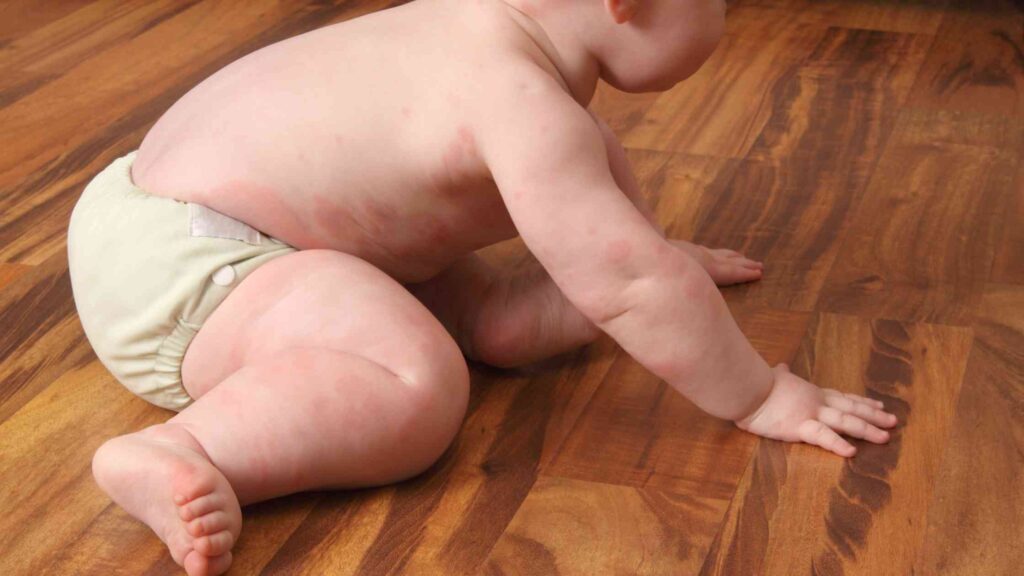
Small rash or hives
Fussiness
Mild tummy upset
These may feel scary, but they don’t always mean a severe allergy.
Serious reaction signs (seek urgent help)
If ANY of the following occur, treat it like a medical emergency:
Trouble breathing or wheezing
Repeated vomiting
Swelling of the face, lips or tongue
Lethargy or collapse
Bluish or very pale skin
These can be signs of anaphylaxis, a life-threatening reaction, so call emergency services immediately and use an epinephrine auto-injector if one has been prescribed.
 Quick note about antihistamines:
If you give an antihistamine, it helps relieve symptoms, but it doesn’t stop an allergy. It simply helps your baby feel more comfortable.
 Keep Allergy Foods On the Menu Once They’re Tolerated
One of the biggest mistakes parents make is introducing a food once, and then never offering it again.
The research and clinical guidance is clear: once a baby tolerates a food, include it regularly (about 2–3 times per week) in meals to help maintain tolerance.
This simple consistency builds familiarity for your baby, and confidence for you.
Food allergy introduction doesn’t have to be fear-fuelled or confusing.
With a simple step-by-step plan, calm observation, and the right support tools at your side, you can do this with confidence.
You’re doing an amazing job, one small step at a time 
Want Ongoing Support While You Feed Your Baby?
If you don’t want to navigate this alone, these memberships give you nurse-led support, education, and reassurance every month.
 The NEST Feeding & Weaning Membership
For parents starting solids and allergenic foods:
Safe weaning guidance
Choking prevention
Allergy food introduction
Private, supportive community
Join here:
https://thenestcpr.systeme.io/thenestmembership
 The Nest Food Allergy Membership
For families managing diagnosed or suspected allergies:
Nurse-led education
Real-life guidance
Ongoing support when questions pop up
Join here:
https://thenestcpr.systeme.io/the-nest-allergy-membership