What Actually Happens When Your Baby Has an Allergic Reaction (and How To Treat It)
If you’re a parent starting solids or introducing allergenic foods, the idea of an allergic reaction can feel overwhelming.
Many parents tell me the same thing:
“I’m not even sure what I’m meant to be looking for, or when I should worry.”
As a paediatric nurse and allergy nurse, I want to gently walk you through what actually happens when a baby has an allergic reaction, what we treat at home, and what signs mean you need urgent medical help.
This knowledge doesn’t make feeding scary, it makes it safer.
🎥 Watch or Listen First
If you prefer to watch or listen, you can start here:
You can also keep reading below for a clear written breakdown
 Watch or Listen First
If you prefer to listen, you can start here:
 Listen to the podcast here below:
You can also keep reading below for a clear written breakdown
What an Allergic Reaction Usually Looks Like in Babies
Most food allergic reactions in babies are mild to moderate, not severe.
They usually happen:
Within minutes of eating
Sometimes up to 2 hours later
Common signs include:
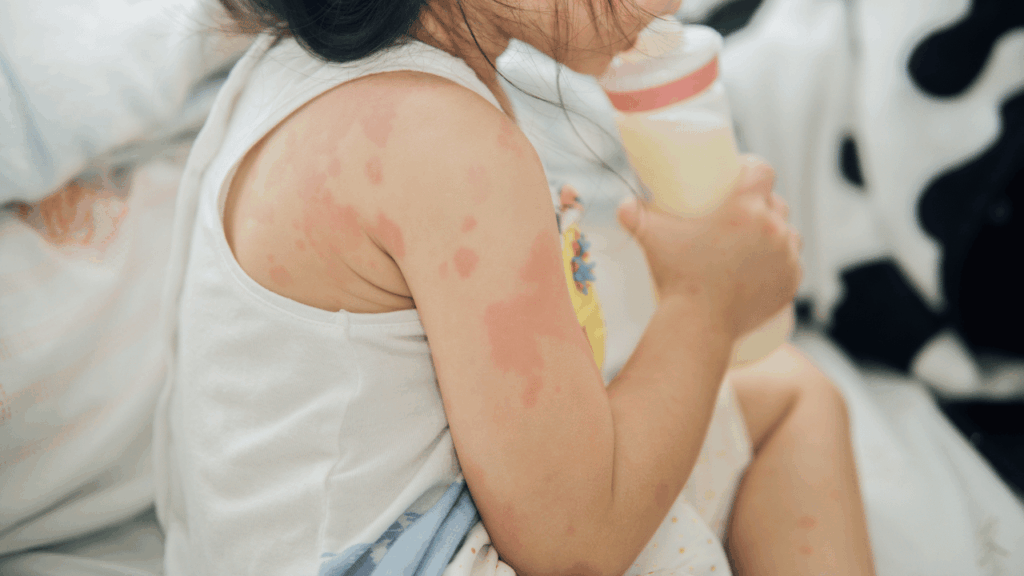
Redness around the mouth
Hives or raised red welts on the skin
Vomiting shortly after eating
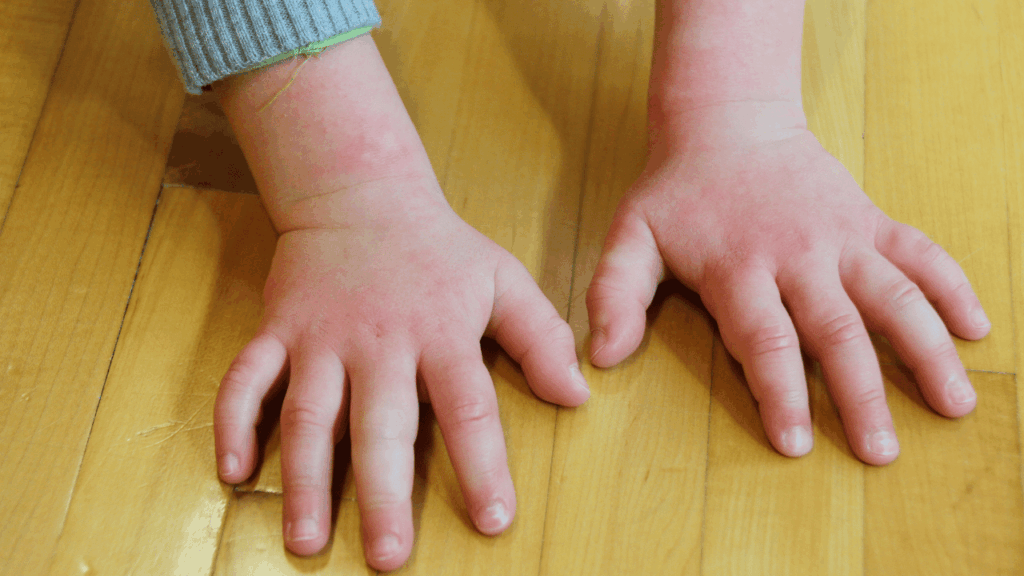
Swelling of the lips or eyes
Increased fussiness or discomfort
These reactions can look alarming, especially the first time, but they are very commonly managed safely at home.
What’s Actually Happening Inside the Body
When a baby reacts to a food, their immune system has mistaken that food as a threat.
The body releases chemicals like histamine, which cause:
Redness
Swelling
Hives
Vomiting
This doesn’t mean you’ve “done something wrong.”
And it doesn’t automatically mean your baby has a lifelong allergy.
How We Treat Mild to Moderate Reactions at Home
For non-severe reactions, home management is often appropriate.
This may include:
Stopping the food
Keeping your baby comfortable
Monitoring symptoms closely
Following your healthcare provider’s advice around antihistamines (if recommended)
The most important skill here isn’t treatment, it’s knowing what you’re seeing and staying calm.
⏸️ PAUSE HERE, Get These Free Safety Tools
Before we go further, if you’re in the stage of introducing allergenic foods, these two free resources will support you immediately:
🎁 Free Resource 1: The Nest Weaning Blueprint
A simple, nurse-led guide including:
Allergy tracker
Top 9 allergenic foods
Choking first aid basics
🎁 Free Resource 2: Quick Reference Allergy Kit
Perfect for saving on your phone:
What allergy signs look like in an older child
What allergy signs look like in a baby & toddler
A list of questions for your GP or allergist
Now let’s talk about when a reaction becomes serious.
Signs That Mean You Need Urgent Medical Help
Severe allergic reactions (anaphylaxis) are less common, but it’s essential to know the red flags.
Call emergency services immediately if your baby has:
Trouble breathing
Persistent coughing or wheezing
Floppiness or lethargy
Pale or bluish skin
Swelling of the tongue or throat
Collapse or unresponsiveness
These symptoms need urgent treatment, and knowing them early saves lives.
The Goal Is To Feel More Confidence
The biggest difference I see between anxious parents and confident parents isn’t luck.
It’s education.
When you understand:
What’s normal
What’s manageable
What needs help
You feed your baby with calm, clarity, and confidence, not fear.
Want Ongoing Support While You Feed Your Baby?
If you don’t want to navigate this alone, these memberships give you nurse-led support, education, and reassurance every month.
🌱 The NEST Feeding & Weaning Membership
For parents starting solids and allergenic foods:
Safe weaning guidance
Choking prevention
Allergy food introduction
Private, supportive community
👉 Join here:
https://thenestcpr.systeme.io/thenestmembership
🛡️ The Nest Food Allergy Membership
For families managing diagnosed or suspected allergies:
Nurse-led education
Real-life guidance
Ongoing support when questions pop up
👉 Join here:
https://thenestcpr.systeme.io/the-nest-allergy-membership